
SCROLL TO BEGIN
Confessions of a skincare junkie
Clean beauty

Is Your Skin Barrier Broken? Here Is How to Tell
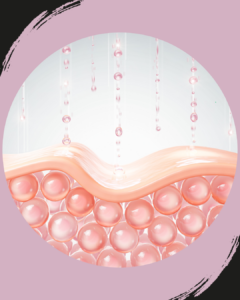
There is a phrase showing up everywhere lately. In comment sections, in treatment rooms, in texts from friends who have gone down a skincare rabbit hole at midnight and emerged slightly panicked.
“I think my skin barrier is damaged.”
And sometimes they are right. But sometimes what they are describing is just… Tuesday. Dry air, a new product, a stressful week, two glasses of wine and not enough water. The skin is reactive. It is not always broken.
So let us actually talk about the skin barrier. What it is, what damages it, and how to tell the difference between skin that is genuinely compromised and skin that is just having a moment. Because when you know what your skin barrier does, you stop guessing and start actually listening.
What the skin barrier actually is
Your skin barrier (technically the stratum corneum, if you want the fun dinner party fact) is the outermost layer of your skin. Think of it like a brick wall. The skin cells are the bricks. The lipids, ceramides, and fatty acids between them are the mortar. When that mortar is intact, your skin holds moisture in and keeps irritants, bacteria, and environmental stressors out. When it is compromised, things start moving in both directions that should not be.
It is your skin’s first line of defence. And it is working constantly, quietly, without a single thank you.
Signs your skin barrier might be compromised
A compromised skin barrier does not always look the way you would expect. Sometimes it does. Raw, red, visibly irritated skin is hard to miss. But more often it shows up as a slow accumulation of things that feel a little off.
You might notice your skin stinging when you apply products that never bothered you before. A moisturizer that used to feel like a drink of water now sits on the surface or burns slightly going on. Your skin feels tight almost immediately after cleansing, no matter what you use. Redness that lingers. Texture that shifts, not breakouts exactly, but not smooth either. Sensitivity that seems to come out of nowhere.
The pattern matters more than any single symptom. One dry day is not a damaged skin barrier. But if your skin has felt consistently reactive, tight, or just not itself for a few weeks, it is worth paying attention.
What actually damages the skin barrier
Here is where I want to be honest with you, because a lot of what damages the skin barrier is sold to us as skincare.
Over-exfoliation is the big one. Acids, scrubs, and retinols are all genuinely useful tools, but not all at once, not every day, and not without support. The trend of layering active after active in the name of results has left a lot of people with skin that is raw, reactive, and deeply confused. More is not more here.
Harsh cleansers are another one. If your face feels squeaky clean after washing, that is not a win. That tight, stripped feeling is your skin barrier telling you something has been disrupted.
Hot showers, dry air, stress, poor sleep, skipping moisturizer because you think you do not need one. All of it adds up over time. The skin barrier is resilient, but it is not invincible.
How to support a damaged skin barrier
The good news is that a compromised skin barrier can repair itself. It just needs you to get out of the way and give it the right conditions.
Step one is almost always to simplify. Strip the routine back to the basics. A gentle cleanser, a barrier-supportive moisturizer, SPF in the morning. That is it. No actives, no exfoliants, nothing your skin has to work to tolerate. Let it breathe.
Ingredients worth looking for: ceramides, which replenish the lipids your skin barrier is made of. Hyaluronic acid for hydration. Niacinamide, one of the most calming and barrier-friendly ingredients you can use. Squalane. Shea butter. Nothing complicated, just things that speak the language your skin already understands.
Give it two to four weeks of this before you start layering anything else back in.
When to get a professional skin assessment
Sometimes you can sort this out at home. But if your skin has been reactive for months, if nothing seems to calm it down, if you have simplified and it is still angry, that is when a professional assessment is genuinely worth it. Not because something is catastrophically wrong, but because having someone look at your skin and tell you what they see is a very different experience than diagnosing yourself in a bathroom mirror.
The skin barrier conversation is one I have regularly in the treatment room here at Enrapt. And almost every time, the answer is simpler than the person expected. Less, done consistently, with the right products for their skin. You can read more about what a professional facial actually does for your skin here.
That is usually where the turning point is. Not a new serum. Not another acid. Just finally giving the skin what it actually asked for.

BE THE FIRST TO COMMENT